


Caring For Ex-Farmed Laying Hens
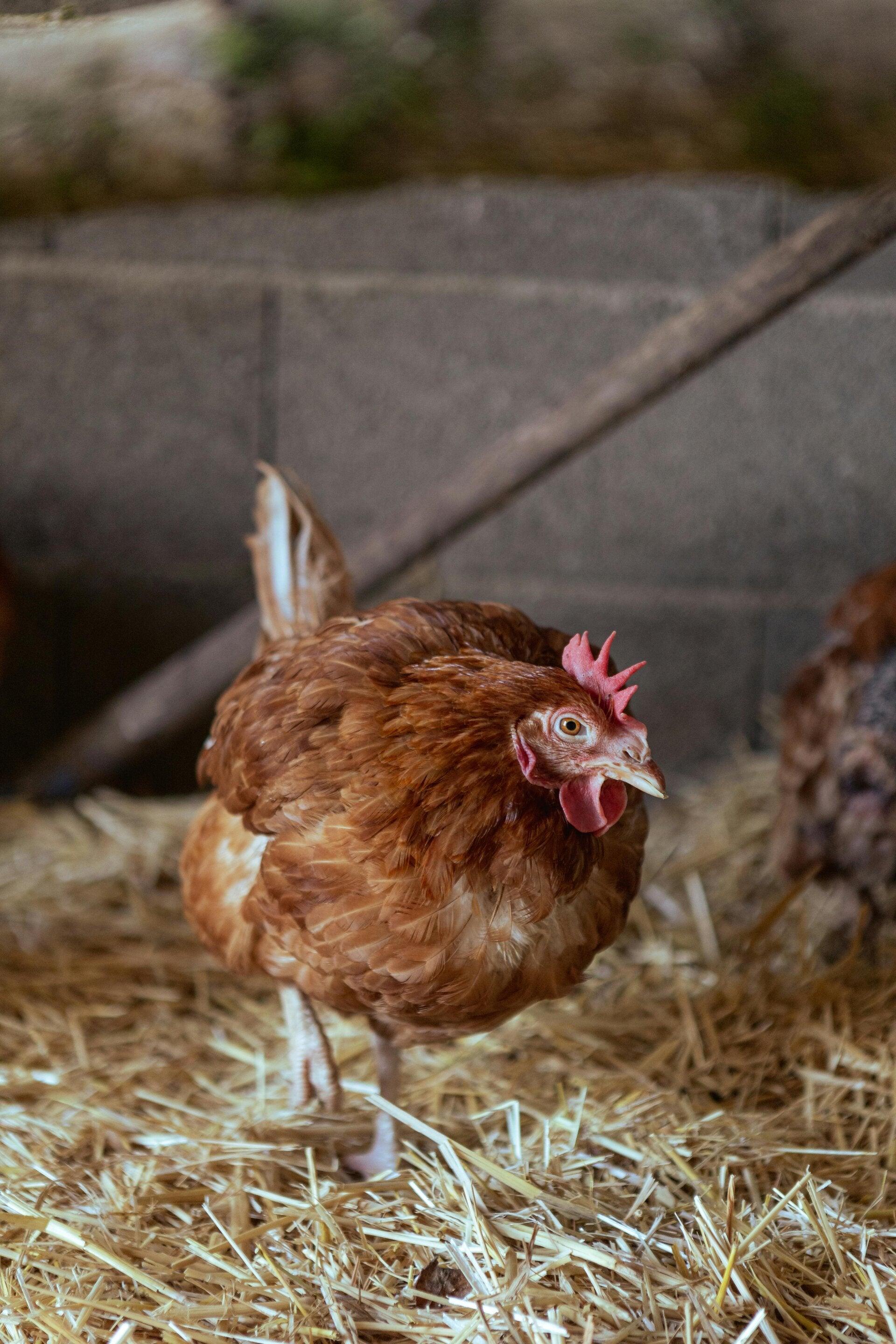
This guide is designed for people who have just adopted ex‑commercial (ex‑battery / ex‑caged / barn) laying hens. These hens have had a very different life to traditional garden chickens, and the first few weeks are the most important.
What to Expect When You Bring Them Home
Ex‑farm hens are often:
-
Nervous or very quiet at first
-
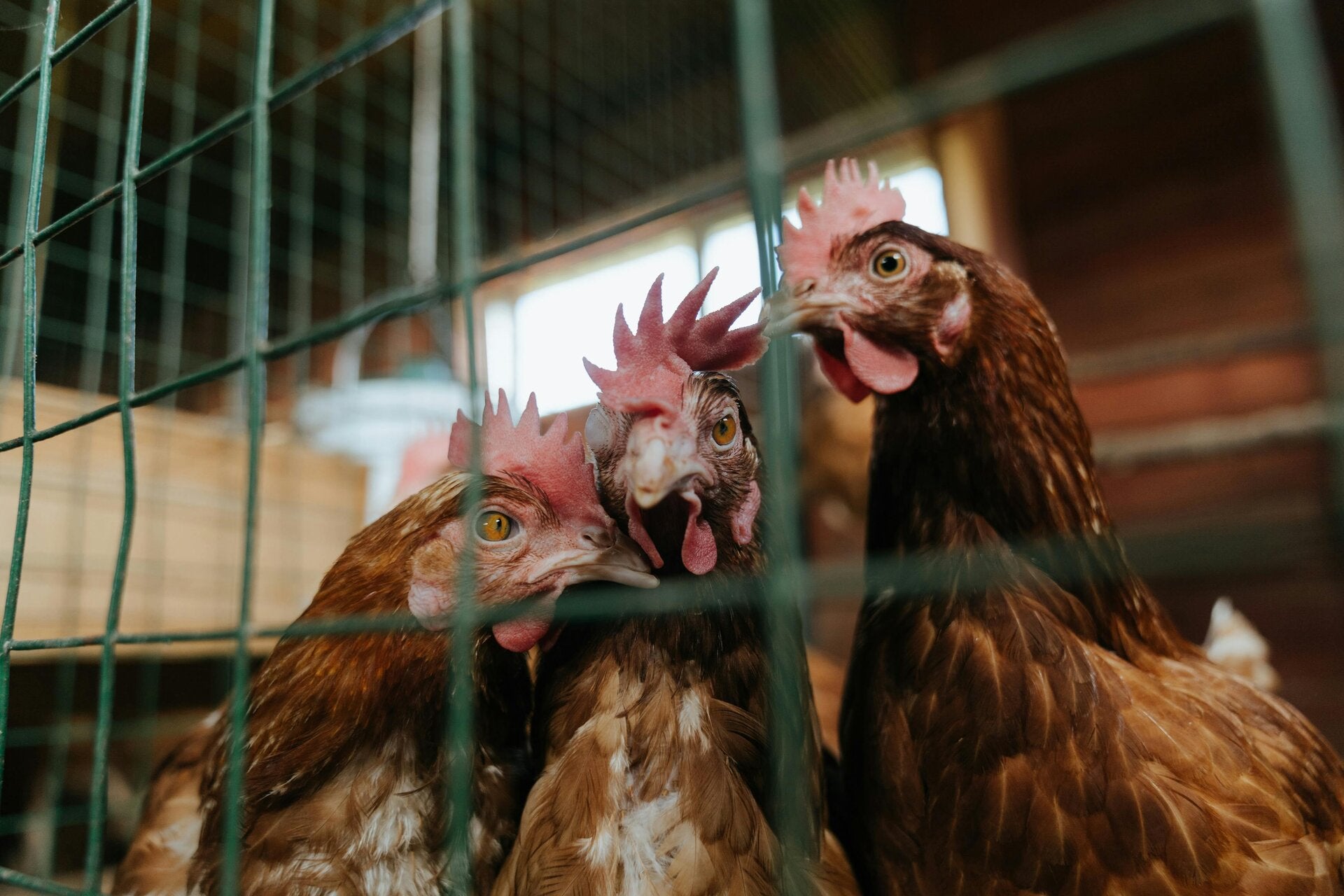
Under‑feathered or nearly bald
-
Pale combs and faces
-
Unsure how to perch, scratch or dust bathe
-
Tired and hungry
This is normal. With good care, they change dramatically over weeks and months.
Lifespan & Commitment
Ex‑farm hens can live 4-7+ years with good care. However, it’s important to understand that some hens may not live very long at all due to the intensive conditions they have endured before rescue.
By adopting, you are offering:
-
Safety
-
Comfort
-
A chance to express natural behaviours
Thank you for giving these hens the life they deserve.
Housing
-
Keep hens securely enclosed for at least the first 2–4 days
-
Use a predator‑proof coop and run
-
Provide dry bedding (wood shavings or hemp)
-
Avoid perches higher than 20–30cm initially – many hens cannot balance yet
Warmth & Shelter
-
Hens do not usually need heat lamps, even when bald.
-
Ensure shelter is dry but well ventilated
-
Extra bedding helps if weather is cold or wet
Food
-
Feed a layers pellet or mash (not mixed corn to begin with)
-
Keep food available at all times initially
-
Avoid treats for the first few days
Water
-
Fresh, clean water at all times
-
Check several times daily – newly rescued hens drink a lot
Behaviour Changes
Over time you will see:
-
Scratching and dust bathing
-
Sunbathing
-
Increased confidence
-
Stronger social bonds
Some hens remain shy; others become very friendly. Every hen is different.
Feather Loss & Regrowth
Most ex‑farm hens arrive with poor feathering due to:
-
Cage wear/overcrowding
-
Feather pecking
-
Nutritional depletion
What Helps
-
Good nutrition
-
Time and rest
-
Reduced stress
Feathers usually regrow within 8–16 weeks.
Introducing to Existing Hens
-
Introduce gradually with supervised free ranging
-
Expect some pecking order behaviour
-
Intervene only if blood is drawn or bullying is relentless

When Will They Lay Eggs?
-
Some hens lay immediately
-
Others take weeks or never lay again
-
Eggs may be:
-
Small
-
Misshapen
-
Shell‑less initially
-
This usually improves with time and calcium.
Need advice? Contact Homes4Hens at any time if you are worried about your hens.
Hen care insights
Begin your journey to providing excellent care for your hens. Learn from our insights and dedication to hen welfare. Join Homes4Hens Rescue CIC in making a difference in the lives of rescue hens.